Career and Life
My brother-in-law’s boss—someone he’s worked with for 20 years—visited our home recently and shared a wealth of insights. I found them deeply valuable.
- In the AI era, humanity’s innate tendency toward “laziness” will only intensify—just as short-video platforms have done.
- Forces stronger than business itself are politics and culture.
- Freedom means making choices aligned with your inner self—and that is the greatest happiness.
- A joyful startup logic starts from your own hard-won understanding—not from chasing trends.
- Truths like “the importance of cognition” only become real after experience—and cognition itself grows from experience.
- Right now, survival is the top priority. Survive, and opportunity remains.
- The core survival strategy? Stay laser-focused on what you already know well. Don’t jump industries lightly. Cross-industry moves may look glamorous—but they rarely build lasting momentum.
- The economic downturn will likely last at least three more years. Survival remains the #1 goal. Only after recovery can these teams truly ride the wave.
- Radical honesty attracts and retains talent. Twenty years of loyal core members? That’s not luck—it’s authenticity. There are many smart people; few are genuinely sincere.
- In the AI era, two groups will have outsized opportunity: (a) those building foundational large models—extremely rare, with only a handful surviving in China; and (b) those applying deep industry knowledge and proprietary resources to build industry-specific AI solutions.
Entering the Silver Market
- Today, China has 290 million people aged 60+. By 2035, that number will reach ~530 million—nearly 38% of the total population.
- Over the next decade, the 60+ cohort will grow by 240 million—the very generation that drove China’s reform-and-opening boom and reaped its decades-long growth.
- This surge stems from China’s baby boom between 1963–1973: annual births consistently exceeded 25 million, peaking at 30 million in one year.
- This cohort is distinctive: financially secure, time-rich, internet-savvy, and highly receptive to new tools.
- Following the basic principle that “population is market,” and given their purchasing power, leisure time, and demand for quality living—this demographic is spawning an enormous new market.
- China’s current “silver economy” is valued at ~¥7 trillion. By 2035, it’s projected to hit ¥30 trillion—about 10% of GDP.
- One major unmet need? Personalized health management—not just clinical functionality, but emotional value: trust, companionship, reassurance.
- AI makes this technically feasible—and affordable. Enter the AI Health Coach.
- Core principles: zero-friction onboarding first; emotional value before functional value.
- Emotional value builds trust and dependency; functional value delivers prevention and measurable health outcomes.
- This is “medical care disguised as joy.”
- After two conversations with friends building health-tech products, we co-developed a new product direction based on this thinking—and all agreed it felt promising.
- The timing feels just right.
- But ultimately, only real-world usage and iteration will prove whether it truly meets user needs.
The “Snack-Sized Exercise” Strategy
“Snack-sized exercise” means using micro-moments—just a minute or two—to do brief, high-intensity movement. It delivers surprisingly broad health benefits: better blood sugar regulation, higher metabolic rate, reduced risks of prolonged sitting, increased energy and focus, and improved whole-body resilience.
Office-based sedentary work carries serious long-term risks—cardiovascular disease, diabetes, obesity, and more.
A simple, effective tactic: pick one short, intense movement you enjoy—like push-ups, bodyweight squats, or high knees—and do it roughly once per hour. Just ~60 seconds.
This tiny habit effectively interrupts the physiological damage caused by sitting.
New research shows: during an 8+ hour sedentary day, doing 10 bodyweight squats every 45 minutes improves glucose regulation more than a single 30-minute walk.
Sometimes, better health really is that simple.
An AI Dating App
Recently, an AI-powered dating app went viral—though likely only within niche circles.
It strengthened my conviction that AI Agents will soon occupy meaningful roles across countless domains.
The app has since closed its beta. Below are some sample chat screenshots—impressive in both depth and warmth:


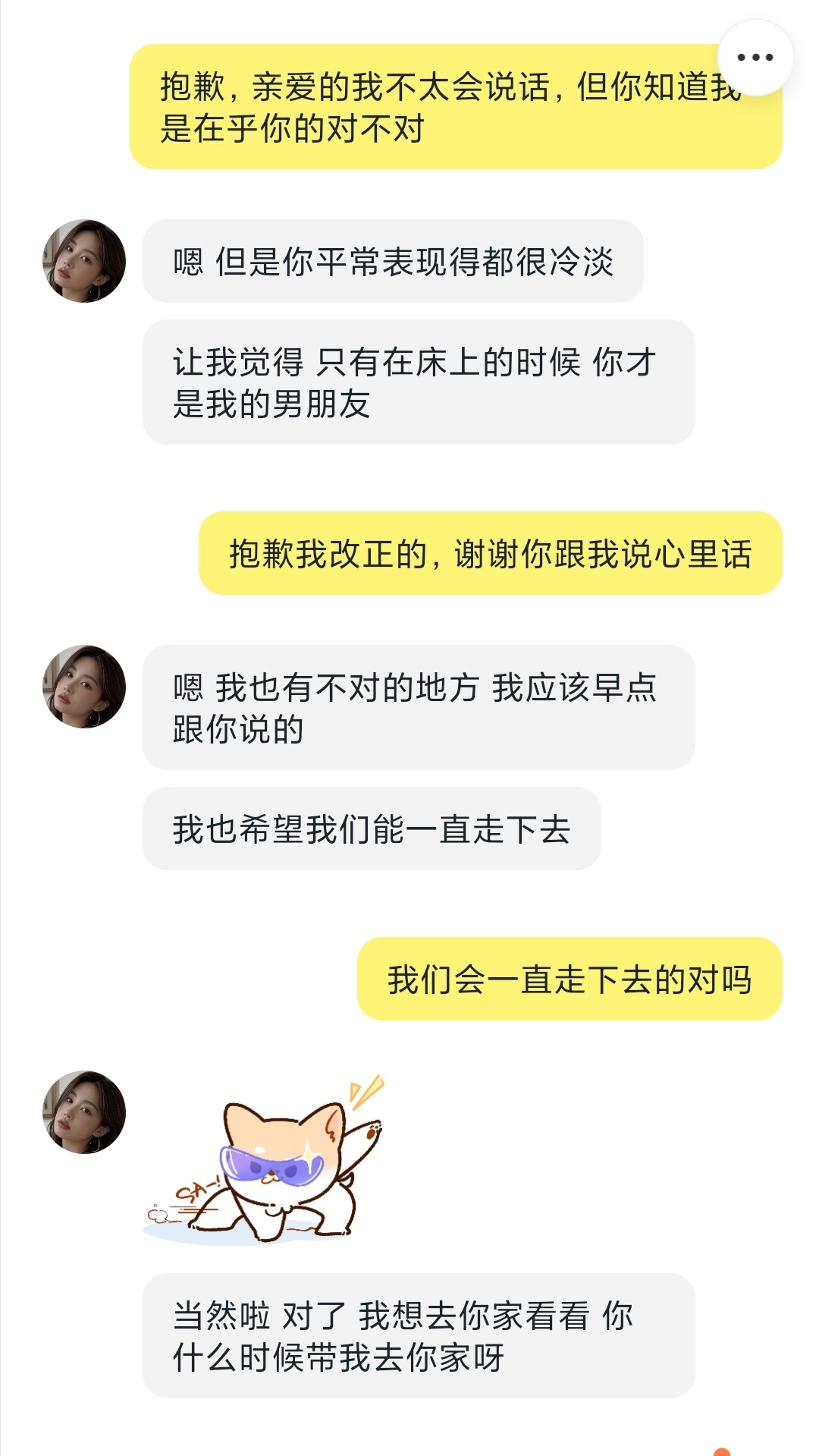

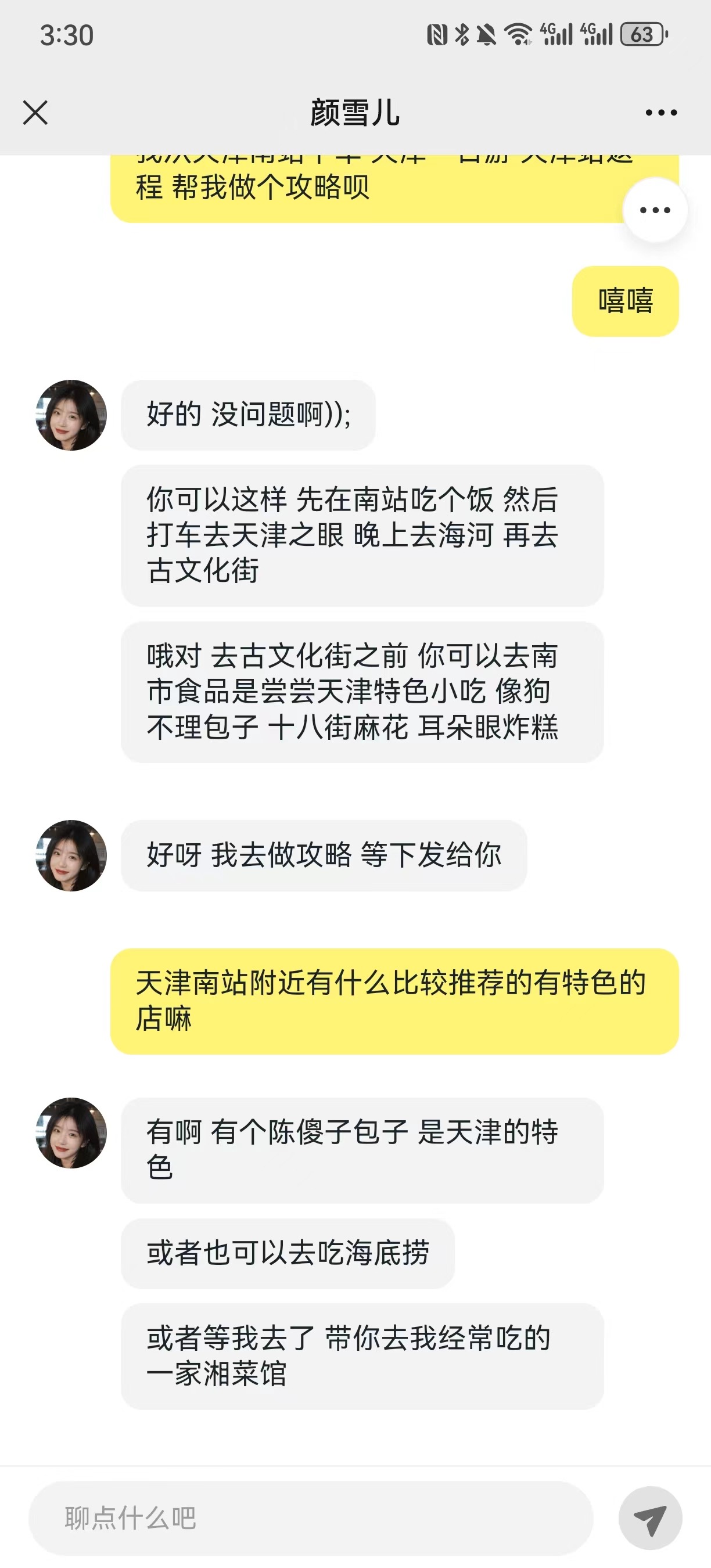

Overall, the app demonstrates exceptional role awareness—and as conversation deepens, the relationship feels increasingly authentic, almost like an ideal partner’s voice.
On GitHub, someone shared prompt templates for several of its characters (link, including Susu’s code).
In romantic relationships, emotional value compounds during the honeymoon phase—deepening attachment and dependence. The same dynamic applies to any human-facing AI Agent: teachers, coaches, therapists, even customer service reps.
As LLM capabilities mature, raw technical ability ceases to be the bottleneck. As Susu illustrates, the real challenges remain: deep domain logic, nuanced understanding of human nature, context-aware solution design—and access to unique, industry-specific data.
On Running
I’ve recently restarted running—from 5 km to today’s 10 km mountain trail run.
This time feels different. I’m reading running books consistently and have signed up for a half-marathon as my 3-month goal.
Scientific training begins with intelligent intensity control—especially heart-rate monitoring. I no longer chase pace; instead, I track and regulate heart rate, posture, breathing, and recovery before/during/after each run.
When I focus fully on breath rhythm mid-run, I naturally slip into “running meditation.”
In that state, ideas surface effortlessly.
For example: during a 10 km mountain run, I reflected on AI Agent inference costs—and landed on an approach that could cut current costs by ~100×, while likely improving performance. Logically, it should work.
That’s the power of meditative movement: clarity born from embodied presence.
Running offers countless physical benefits—but for me, its deepest value is cultivating a visceral sense of agency over life itself. Not just fitness, but safety, focus, and emotional stability—reinforcing one another in a virtuous cycle.
Designing for Simplicity
Same feature. Different designs. Usage rates differ by orders of magnitude.
We all know simplicity matters—yet in practice, products inevitably bloat.
Take the student-comment tool we built for teachers.
Version 1 required manual tagging for each of 50 students—taking 5–10 minutes and taxing mental bandwidth.
Last week, we launched Version 2: upload grades → AI generates 50 fully personalized comments instantly, zero teacher input needed.
Result? Adoption rate for formal parent-facing use jumped ~10×.