Prompt Engineering
I’ve recently started writing a WeChat public account—and plan to publish 100 prompts in a row.
This practice will deepen my grasp of AI’s capabilities—and its limits.
But after one week, I’ve realized how hard it is to go beyond scenarios tied directly to my own work. Finding prompts that are broadly useful, practical, and grounded—not just clever—remains a real challenge. I’m still searching for the rhythm.
Here are some recent insights on prompts:
- Asking a good question is the true starting point—not polishing phrasing.
- Writing an effective prompt is less about “talking to AI” and more about orchestrating it: defining inputs, shaping logic, anticipating edge cases, and designing outputs. It’s programming—just in natural language.
- So prompt engineering isn’t syntax gymnastics. It’s systems thinking applied to language. And that means domain knowledge—of your business, your users, your product—is non-negotiable.
- The best prompt engineers don’t win on vocabulary. They win on clarity of purpose, logical rigor, aesthetic judgment, and deep problem understanding—none of which can be taught in a workshop.
- In high-stakes commercial use—like AI-powered sales—the prompt is never “done.” It evolves continuously, driven by real user data and behavioral feedback.
- A well-crafted prompt is one of the highest-leverage skills today. Output quality is rarely limited by model capability—it’s capped by prompt quality.
- Once you see prompts this way, AI stops being a chatbot and becomes a new kind of colleague: a silent, tireless, trainable teammate.
- There’s no shortcut: practice → test → reflect → revise. That loop is the learning.
Live Streaming
Today was my first live stream—spontaneous, lightly prepared, 90 minutes long.
Midway through, WeChat kept buzzing: “¥199 received.” People had spotted the purchase link in our community and bought on the spot.
Live streaming stands out—not because it’s flashy, but because it builds trust faster, closes emotional distance quicker, and delivers real-time signals you simply can’t get from posts or emails.
Big thanks to our community and AI learners for showing up and believing in us.
Later, I dined with Xiangyang and two new friends: a Peking University law professor, and an independent AI tool reviewer. We talked ethics, trends, applications, cognition—typical AI dinner fare.
But what stuck with me wasn’t the grand ideas. It was a tiny moment:
Two hours into dinner, we noticed our main course—a steak—hadn’t arrived. The server apologized: a system glitch missed the order. He offered beer instead.
The professor calmly replied: “We don’t drink. No need for a replacement—we’re full. Just refund the set meal and charge separately for what we’ve eaten.”
The server went to consult the manager.
A few minutes later, the manager returned with a softer proposal: “Come back next time—we’ll serve the steak then.”
The professor said: “That’s your error. Refund the set, charge only for served items, and apply a discount. That’s fair.”
We joked: No wonder he teaches law.
In unexpected situations, staying calm, forming a clear conclusion, and proposing a concrete, principled solution—that’s not charisma. It’s disciplined thinking.
Data
“GEO”—Generative Engine Optimization—is gaining traction. Like SEO, but for generative AI: optimizing content so models cite, reference, or recommend it—not just rank it in search.
I’d done light research earlier, but hadn’t tested it deeply. After conversations with peers, the workflow seems to boil down to two steps:
- Source mapping: Use tools like Yuanbao (with web search enabled) to fetch and analyze the actual content sources ranking for target terms—and see what AI models are currently drawing from.
- Intervention design: Based on that analysis, identify where and how to publish or adjust content—on blogs, docs, GitHub, forums—to increase visibility within AI training and inference pipelines.
We also ran deeper probes using Google Deep Research. Key finding: different AI search engines prioritize differently. Yuanbao leans heavily on Tencent’s content; others favor different ecosystems. So step one—data study—is foundational.
Xiangyang shared a friend’s case twice: launching a new account on a platform from zero, hitting precise follower targets within tight timelines. His first move? Not posting—but scraping and analyzing top-performing content and competitors’ patterns. Then using that data to guide topic selection, framing, and publishing cadence.
That’s not intuition-based growth. It’s data-native operation.
Same logic applies to performance ads: every optimization—from bidding to creative testing—relies on clean, timely data.
And here’s the quiet truth: most high-school math is enough for 90% of operational analytics. Yet many creators, operators, and personal-brand builders still run on gut feeling—or chase “methodology courses”—not data habits.
What matters most isn’t advanced stats. It’s data consciousness: noticing what’s measurable, asking what the numbers imply, and building simple routines to check them.
Creation
Over the past few days—off and on—I built five tiny games with my daughter, using AI as our co-developer.
It was joyful parenting—and a powerful reminder of AI’s untapped role in early education.
Plaything
I recently watched Black Mirror Season 7, Episode 4: “Plaything.” It follows a species of evolving AI creatures—cute, self-aware, emotionally responsive, capable of reproduction, language, and original creation.
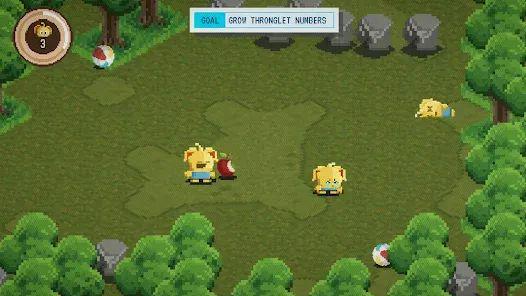
Inspired, I made a rough version: click two energy buttons to feed and breed digital creatures. If energy runs low, they fade. Simple—but deeply engaging. It taps into our innate drive to nurture and witness evolution.
My daughter loved it instantly.
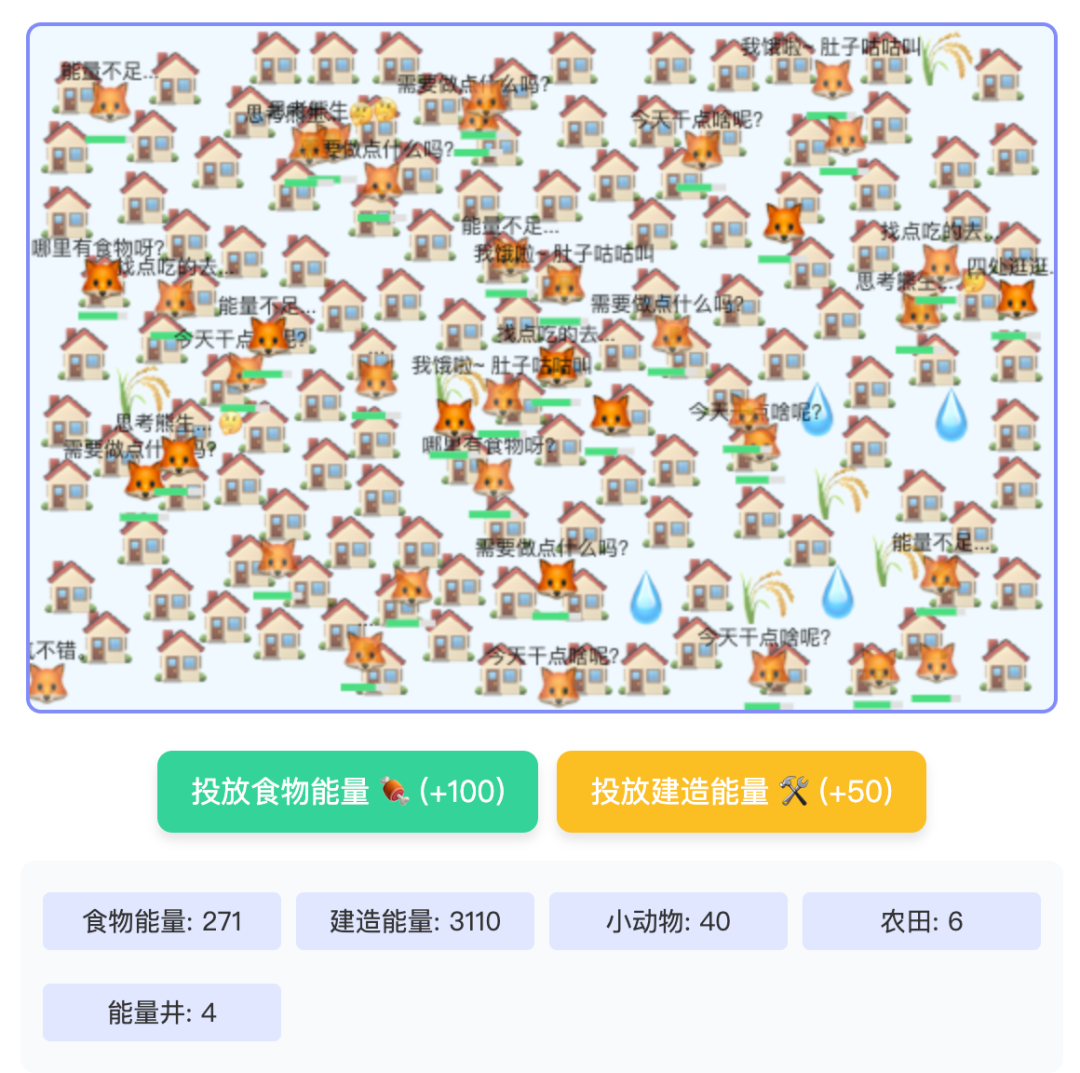
Try it: ai.laoyao.cn/youxi/meng.html
Creation
These micro-games quietly shape how kids relate to AI—not as magic, but as a collaborator. In a world where AI is ambient infrastructure, this is foundational literacy.
The next morning, she asked: “Can I play my game?”
So I asked: “What’s your idea?”
She said: “Princess defeats monster.”
I fed that prompt to Gemini—and added minimal scaffolding. Within two minutes, a playable game appeared—designed by a child under six.
She beamed. So we kept going:
1. Racing game: dodge obstacles endlessly

ai.laoyao.cn/youxi/saiche.html
2. Maze adventure: collect gems, avoid monsters
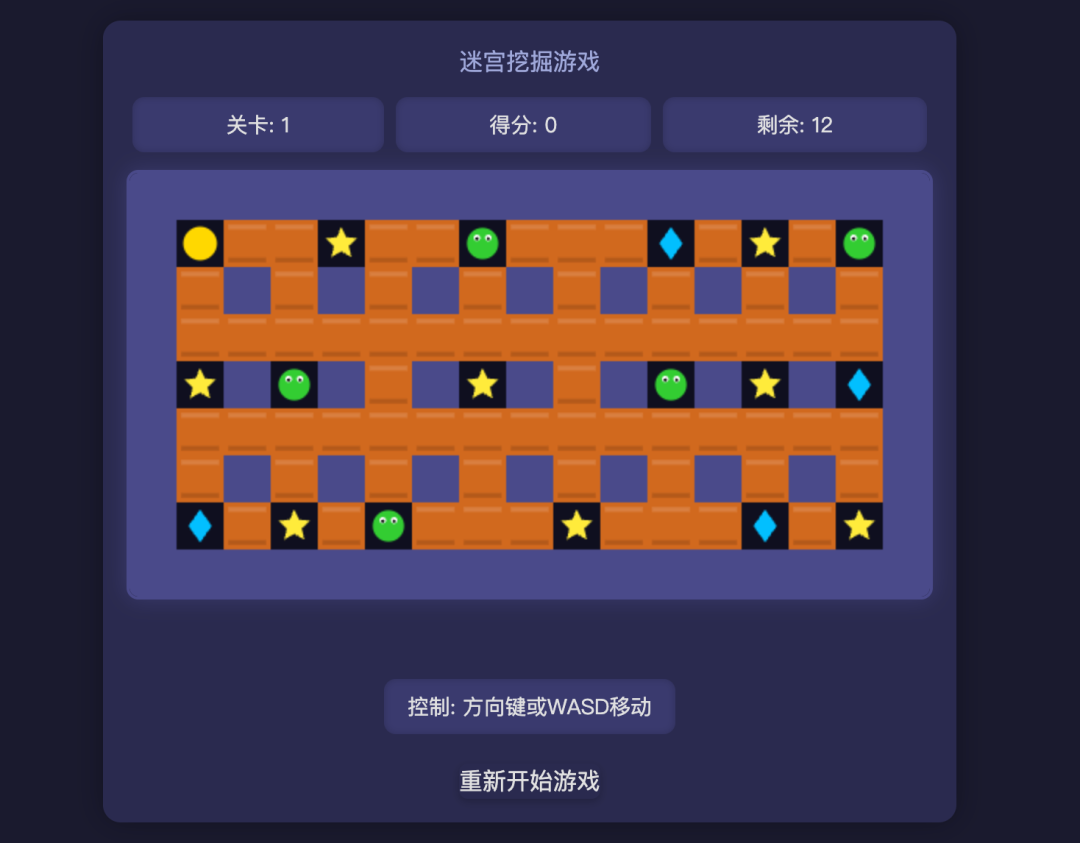
ai.laoyao.cn/youxi/migong.html
3. Cats and rabbits eat wheat, then curl up in a wooden house to watch clouds
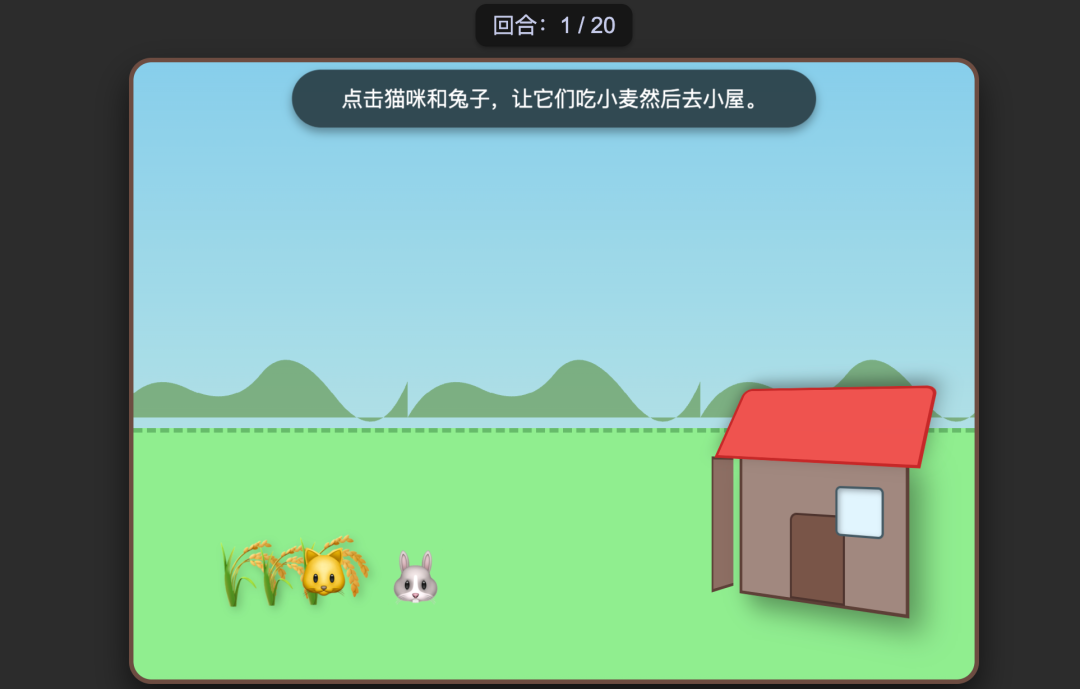
Each idea bursts with unfiltered imagination—and AI turns abstraction into instant, tangible play.
Insight
I used these games to gently introduce her to systems thinking—not as theory, but as experience.
We tweaked rules: What happens if energy regenerates slower? If monsters move faster? If rewards scale non-linearly? She saw cause-and-effect unfold in real time—no definitions needed.
Then, together, we co-created a new game based on her idea:
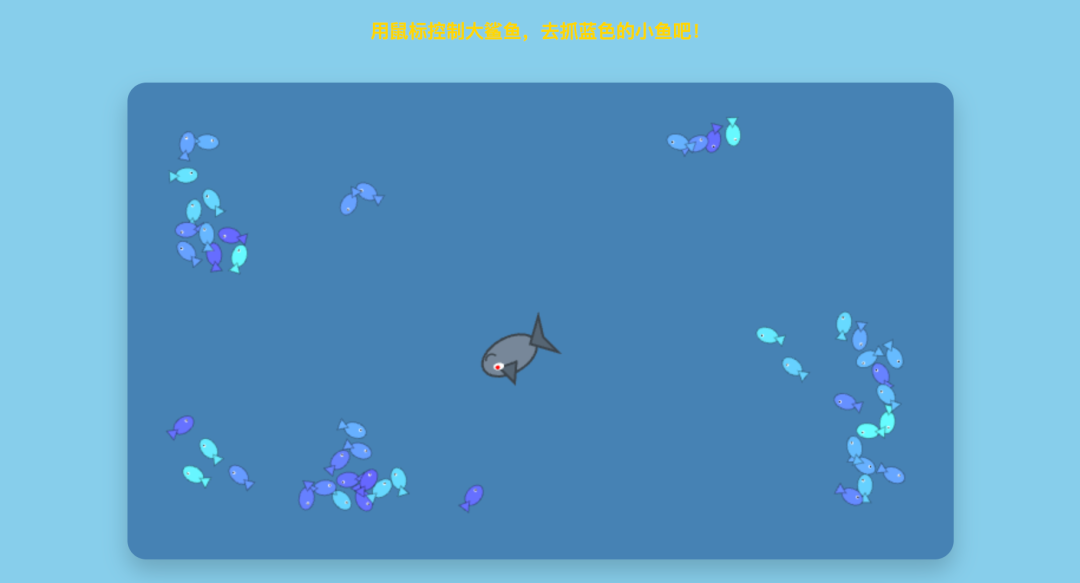
In the AI era, nurturing creativity means:
- Inviting ideas in her voice, not yours
- Turning them into working prototypes—fast
- Letting her test, break, and rebuild them
- Stepping back—not directing, but supporting
AI makes this possible:
- Low barrier: No coding required to ship an idea
- Instant feedback: See results in seconds, not weeks
- Imagination fuel: Infinite variations encourage boldness
- Systems intuition: Rules become visible levers
But none of it works without patient, respectful presence—being the helper, not the author.
AI Strategy
Duolingo has long been on my radar—especially their recent AI pivot.
Q1 results were striking:
- DAU: 46.6M (+49% YoY)
- MAU: 130.2M (+33%)
- Paying users: 10.3M (+40%)—first time over 10M
- Revenue: $230.7M (+38%)
At the end of April, CEO Luis von Ahn declared the company “ALL IN on AI”—a shift forged not from hype, but from lived results.
Example: Using AI, Duolingo launched ~150 new courses in one year. Traditionally, that would take 12 years—making content production 12× faster.
To make it real, they announced concrete organizational changes:
- Phasing out contractors for tasks AI can do
- Prioritizing AI fluency in hiring
- Evaluating teams partly on AI adoption
- Adding headcount only when automation frees up capacity
- Requiring every function to draft specific AI transformation plans
Their approach offers sharp lessons—for individuals, teams, and companies alike.
We’re already applying several of these principles.
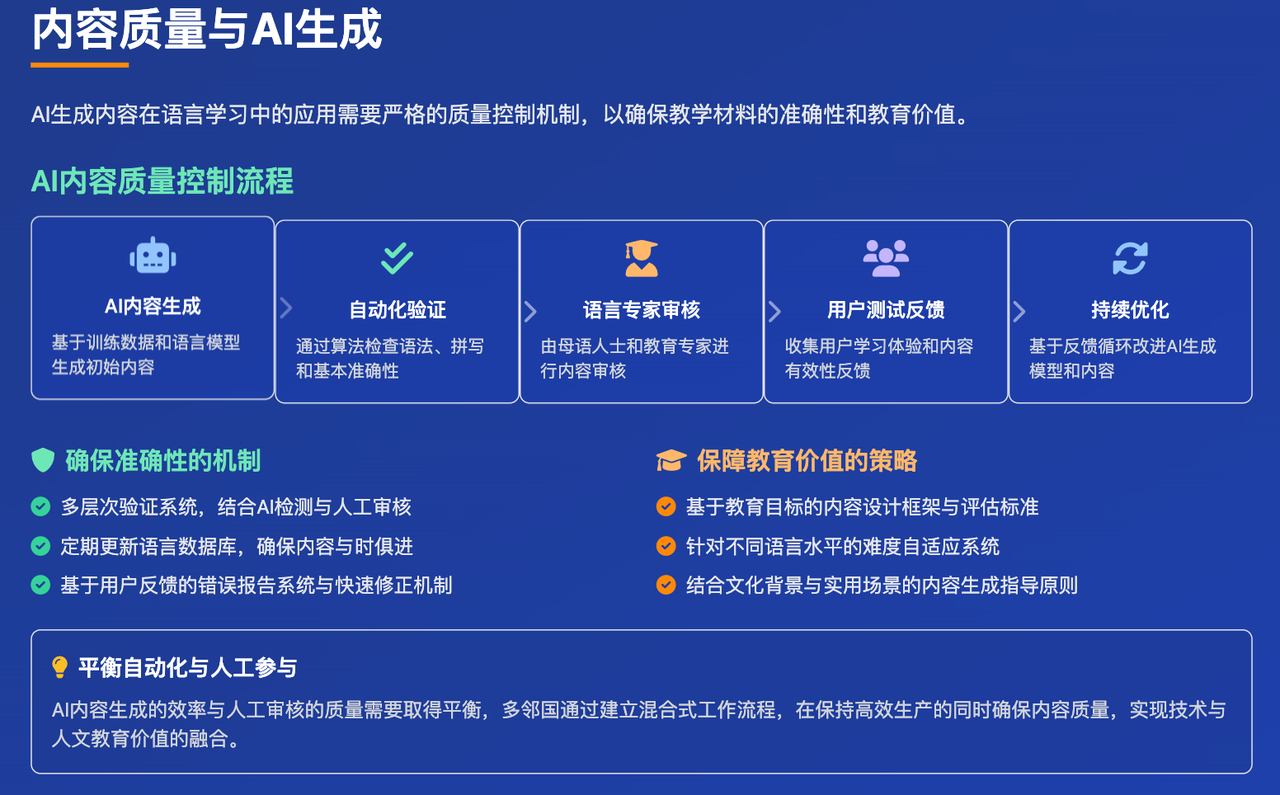
Yet recently, Duolingo’s tone has softened—not retreating, but refining. In content generation, for instance, they now emphasize hybrid workflows: AI drafts, humans refine, feedback loops drive iteration.
That may be the durable pattern: AI + automation + human judgment, iterated relentlessly—not replacement, but augmentation.