Three AI Tools
This week, three new AI tools went viral in my WeChat feed: Medeo, Listenhub, and Lovart.
Each has a distinct design and excels in its vertical use case—well worth trying out.
- Medeo
Website: ai.medeo.app
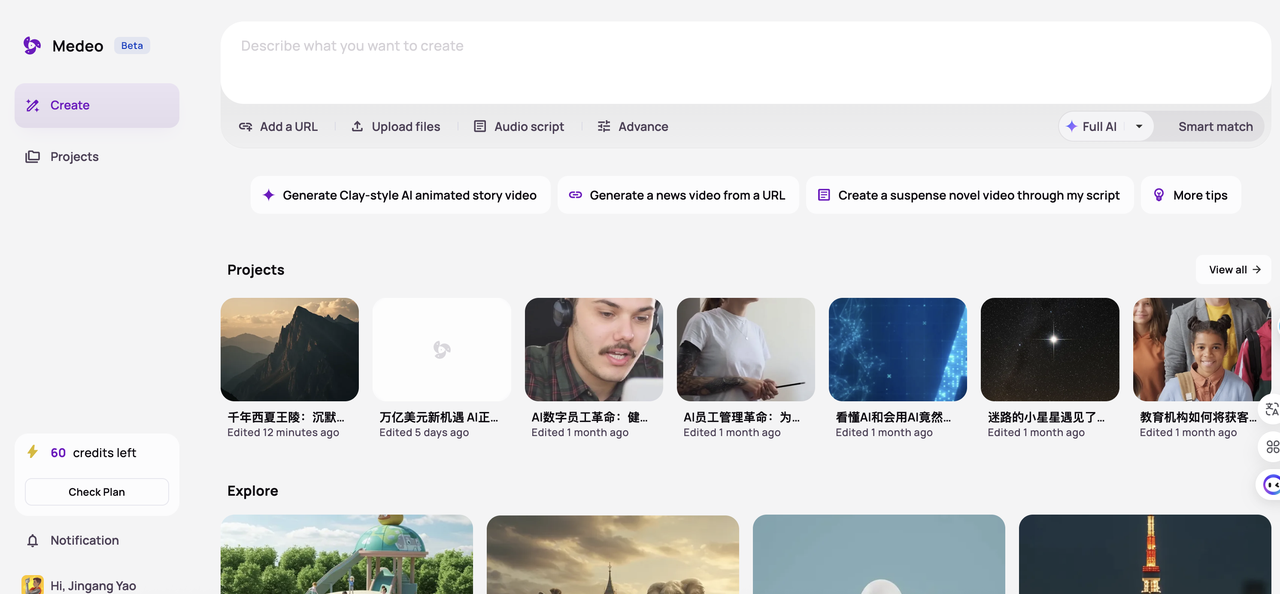
AI-powered short-video generation—accepts prompts plus diverse reference materials (text, images, audio).
I met its co-founder, Yao Xing, last December. After our first meeting, I invited him and Xiang Yang to dinner—we had a great conversation.
Yao Xing is exceptionally disciplined and deeply passionate about AI and learning. Listening to him speak is genuinely enjoyable.
He kept calling his team a “makeshift crew” back then—but in reality, their talent density and operational efficiency were already high. Recent version updates clearly reflect rapid, focused iteration.
Example: A travel log about the Western Xia Tombs, turned into a video with one click:
- Listenhub
Website: listenhub.ai
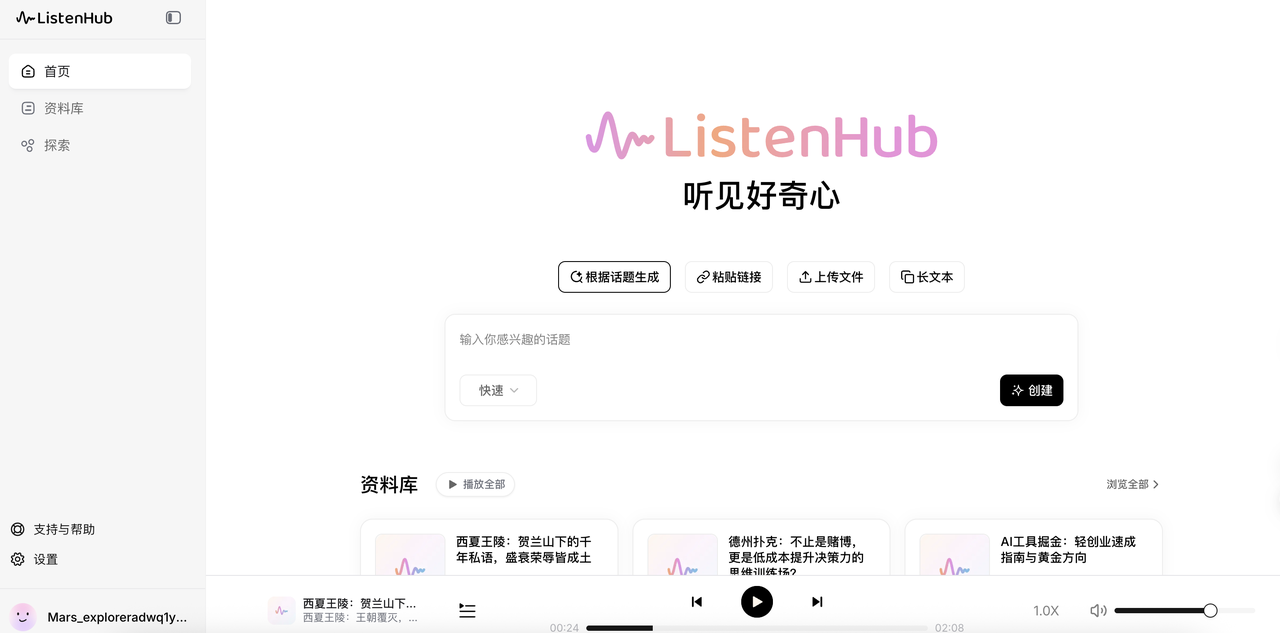
Generates lightweight podcast audio in minutes. Their slogan: Hear Your Curiosity.
Founder Ju Zi is well known in China’s AI community. Xiang Yang introduced us; we had dinner once—and shortly after, our company moved into the same building as his. We became neighbors.
I once asked him: What matters most when building an AI-focused media channel?
His answer: Be unique. Stand out. I fully agree.
Example:
- Lovart
Website: lovart.ai
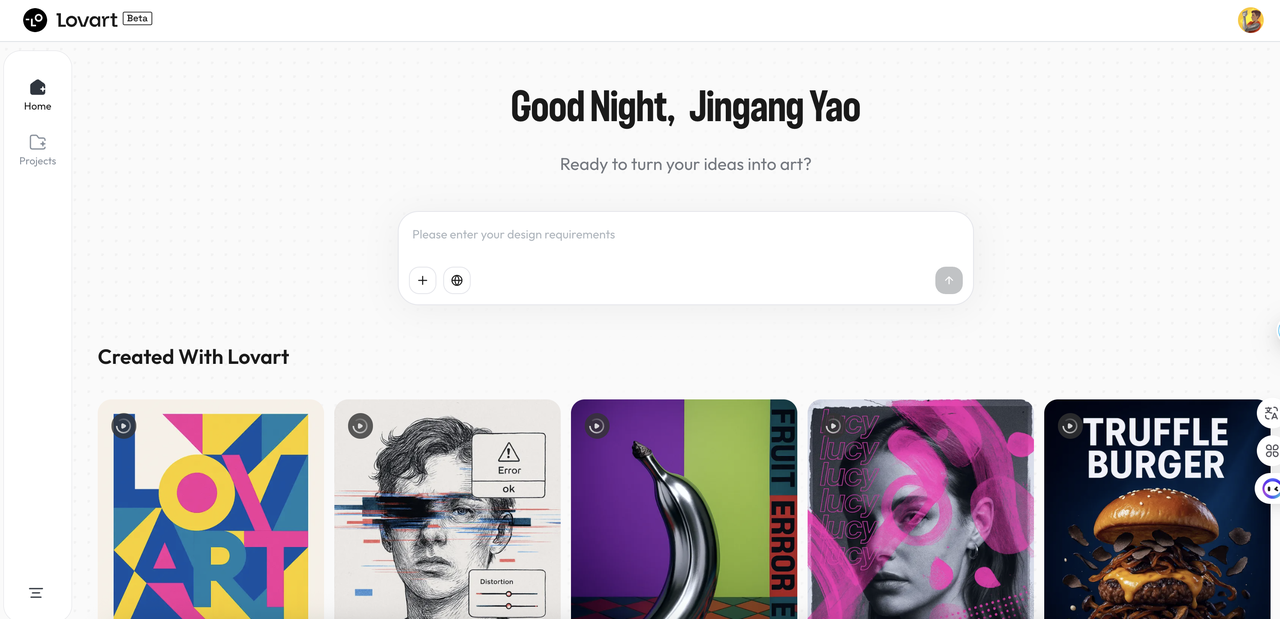
In an interview, founder Chen Mian said: We don’t have product managers—only designers. An intriguing stance.
After launch, Lovart drew strong reactions from top influencers—including a like from Elon Musk and an official post by Grok. Over 20,000 people applied for early access within 24 hours. Invite codes remain scarce in WeChat groups even now.
It’s arguably the hottest vertical agent since Manus.
The Western Xia Tombs
The day before running the Yinchuan Marathon, I visited the Western Xia Tombs. I drafted a travel reflection, then asked ChatGPT o3 to polish it—and the result captured my mood and impressions accurately.
Then I fed that text into Medeo to generate a short video:
Niche Product Portfolio
A Canadian company, Constellation Software, has spent decades acquiring dozens of mature, small-scale software products. Because they’re small, acquisition costs are low. Constellation then refines them—integrating features, optimizing costs, and strengthening monetization—to significantly boost profitability.
I call this approach the niche product portfolio strategy.
We can apply the same logic: acquire proven, compact products—say, at ~5x P/E—and systematically improve key metrics (e.g., conversion rate, retention, pricing, support automation). That turns modest tools into high-value assets.
Acquisition criteria:
- Business model already validated
- Stable user base
- Organic growth (even if slow)
- Positive cash flow
- High leverage potential (e.g., low marginal cost per additional user)
Today, many such tools exist in China—ranging from tens of thousands to hundreds of thousands of daily active users. Often run by just one or two people, they under-monetize despite solid fundamentals.
Opportunities now:
- Significant gaps remain in monetization models—driven by awareness and resource disparities.
- AI expands monetization headroom further: AI-powered acquisition, onboarding, and retention are newly viable.
- AI itself can unlock novel user experiences—making old tools feel fresh and differentiated.
Knowing Yourself
Truly knowing yourself is the prerequisite for all meaningful action.
Because:
- Without self-knowledge, you can’t make sound choices.
- Without self-knowledge, your interactions with others lack authenticity and impact.
- Without self-knowledge, you’ll struggle to identify the right path forward—for your career, relationships, or growth.
- …
We assume we know ourselves—but we often don’t. Our self-perception is more distorted than we realize.
A simple, powerful method: Ask three trusted people to name three strengths and three weaknesses they see in you. This informal survey almost always reveals blind spots—and helps you grasp how others actually experience you.
Classic frameworks also help: the Big Five personality traits, MBTI, etc. They offer structured, evidence-informed lenses.
For example, my MBTI type is INFJ—and it resonates strongly with how I think, decide, and behave day to day.
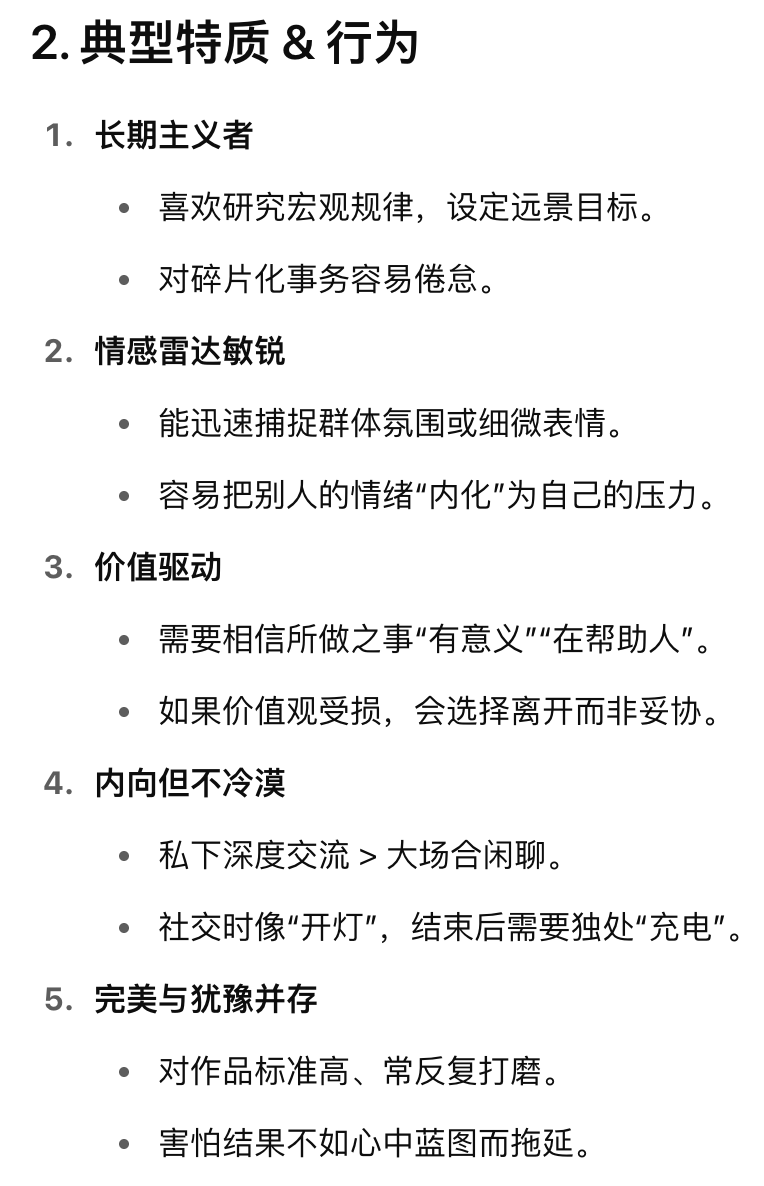
Understanding this helps explain why certain tasks drain me—or why I instinctively avoid particular roles. More importantly, it points toward work and environments where I thrive.
Knowing yourself isn’t just helpful—it’s foundational. To work well, learn deeply, lead effectively, or build something lasting: start there.
And remember: self-knowledge isn’t a one-time achievement. It’s a lifelong practice—because you change, your context changes, and your understanding must evolve alongside them.
A Preface
Google’s NotebookLM delivers an outstanding experience. When paired with your own curated documents—like my current Feishu knowledge base—it dramatically accelerates writing, synthesis, and ideation.
Here’s a preface I drafted for that Feishu doc—using NotebookLM as my thinking partner.