Understanding Cancer
When we talk about cancer, it’s hard to grasp just how close it is—statistically, about 180 people per 100,000 are diagnosed annually. At first glance, that sounds low.
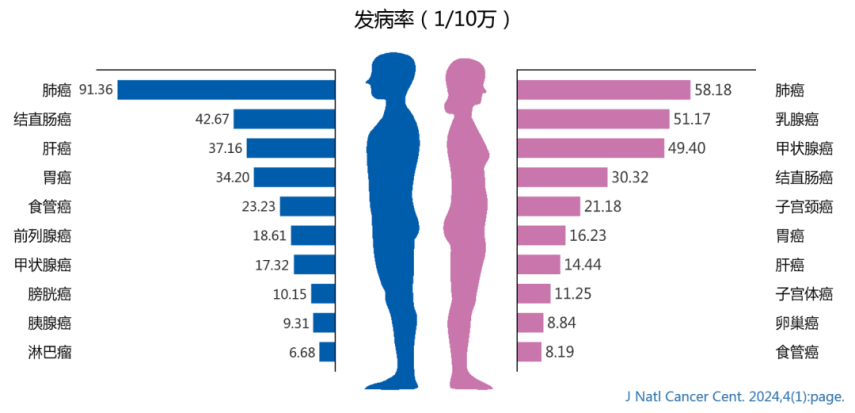
But shift the frame: imagine your high school graduating class had 60 people. Roughly 15 of them—1 in 4—will die from cancer. And of those 15, about two-thirds will succumb to just a handful of common cancers: lung, colorectal, breast, prostate, stomach, liver, esophageal, cervical, thyroid, and pancreatic.
That changes things.
Even more striking: most of these top cancers can be prevented or caught early through lifestyle choices and timely screening. That possibility—not just the risk—is what makes the data meaningful.
Recent global figures confirm this isn’t alarmist:
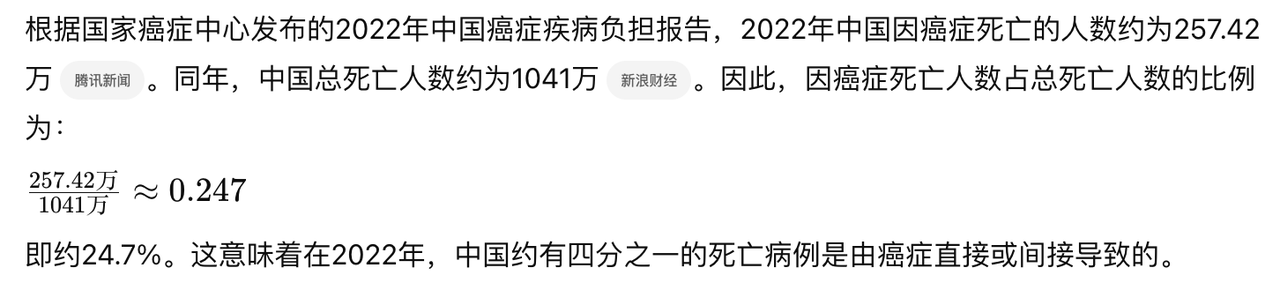
In 2010 alone, over 7 million people died from cancer worldwide—including ~600,000 Americans. In the U.S., a man’s lifetime risk of developing cancer is 1 in 2; a woman’s is 1 in 3. Cancer accounts for 15% of all global deaths—and 25% of deaths in the U.S. In some countries, it has already surpassed heart disease as the leading cause of death.
The ten most common cancers:
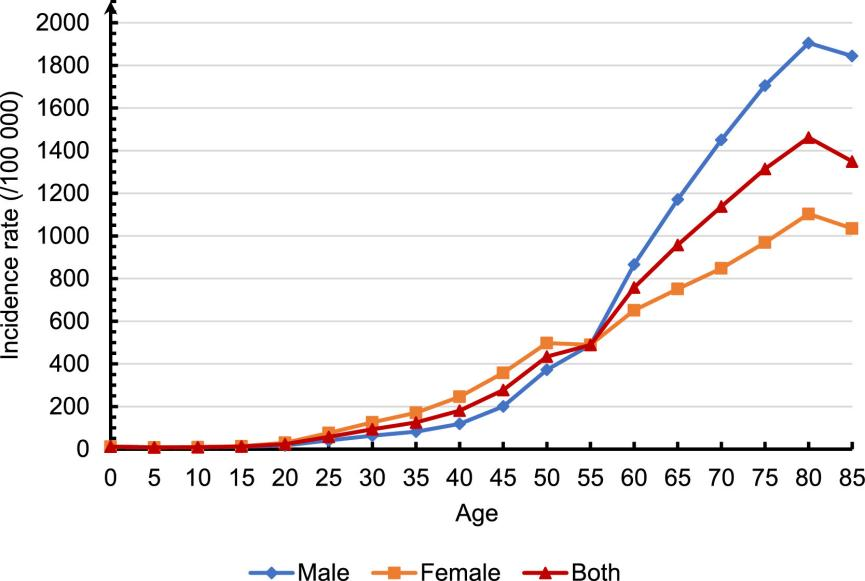
Why screen rigorously after age 55? Because incidence spikes sharply then:
Beyond generic “healthy living” advice, regular, targeted screening is one of the most effective—and most overlooked—levers for lowering cancer mortality. Too often, diagnosis comes only at stage III or IV—when treatment becomes far harder, costlier, and less effective.
The Power of Letting Go
As Annie Duke writes:
“Top poker players excel at quitting—in every dimension. Most visibly, they know when to fold.”
Deciding which hands to play and which to abandon is the first—and most consequential—choice a player makes. Success isn’t about persistence. It’s about discernment: knowing what’s truly worth committing to, and having the clarity and courage to walk away from everything else.
Professional players fold ~85% of their hands. Amateurs fold only ~50%. Put another way: after seeing their cards, pros continue playing just 15% of the time—while amateurs push forward over half the time.
Folding isn’t surrender. It’s resource preservation. It’s a deliberate, practiced skill—the ability to choose not to act.
What isn’t choice?
- Wanting something = desire, not choice.
- Treating a wish as an option = fantasy, not choice.
- Saying “I want both” = greed, not choice.
- Acting on impulse = reflex, not choice.
- Listing every possibility as viable = dissatisfaction, not choice.
- Demanding gain without loss = delusion, not choice.
- Believing effort guarantees return = gambling, not choice.
Real choice emerges from clear-eyed reasoning—not from craving, illusion, or fear. It rests on grounded self-awareness and unwavering alignment with what matters.
Practical Ways to Slow Aging
Large blood sugar fluctuations accelerate biological aging. A few evidence-informed, actionable habits help stabilize glucose—and support longevity:
- Eat in order: Soup → vegetables → protein → carbs. This sequence blunts post-meal glucose spikes.
- Structure breakfast: ½ non-starchy vegetables, ¼ protein, ¼ complex carbs.
- Move after meals: Avoid sitting still. A 10–15 minute walk or light household activity lowers postprandial glucose.
- Prioritize whole foods: Emphasize fruits and vegetables; minimize sweets, fried foods, and ultra-processed items.
- Build muscle: Strength training boosts insulin sensitivity and metabolic resilience—key levers against age-related decline.
Principles for AI Coaching
AI coaching is one of the most promising near-term applications of large language models. This week, while co-designing an AI health coach with a partner company, we distilled four core principles:
- Language: Use plain, conversational language—avoid jargon. Add light humor where appropriate. Clarity trumps cleverness.
- Persona: Design around a consistent, trustworthy IP (e.g., a warm, experienced health mentor). This builds credibility and even mild placebo effects.
- Purpose: Every interaction must reinforce the foundational goal: prevention. Never drift into symptom management or crisis response.
- Behavior change: Apply the MAP framework—Motivation, Ability, Prompt. Prioritize lowering the barrier to action. Small, sustainable wins > ambitious, fragile commitments.
These aren’t just design notes—they directly shape workflow architecture, prompt engineering, and evaluation metrics.
AI Employees
An AI employee offers three distinct advantages: 24/7 availability, consistent performance, and near-zero marginal cost. Crucially, it scales with business needs—not headcount.
At its core, an AI employee integrates four capabilities:
- CRM (customer context),
- RPA (task automation),
- LLM (reasoning & dialogue),
- Knowledge base (domain-specific accuracy).
Its job isn’t to “think like a human”—it’s to serve the business. By connecting internal data to the LLM and automating SOP execution via RPA, it becomes a reliable, adaptive operational unit.
Next week, my team deploys our first full AI employee system at a client’s company. This isn’t speculative. It’s happening—and adoption will accelerate faster than many expect.
Customer Acquisition in the AI Era
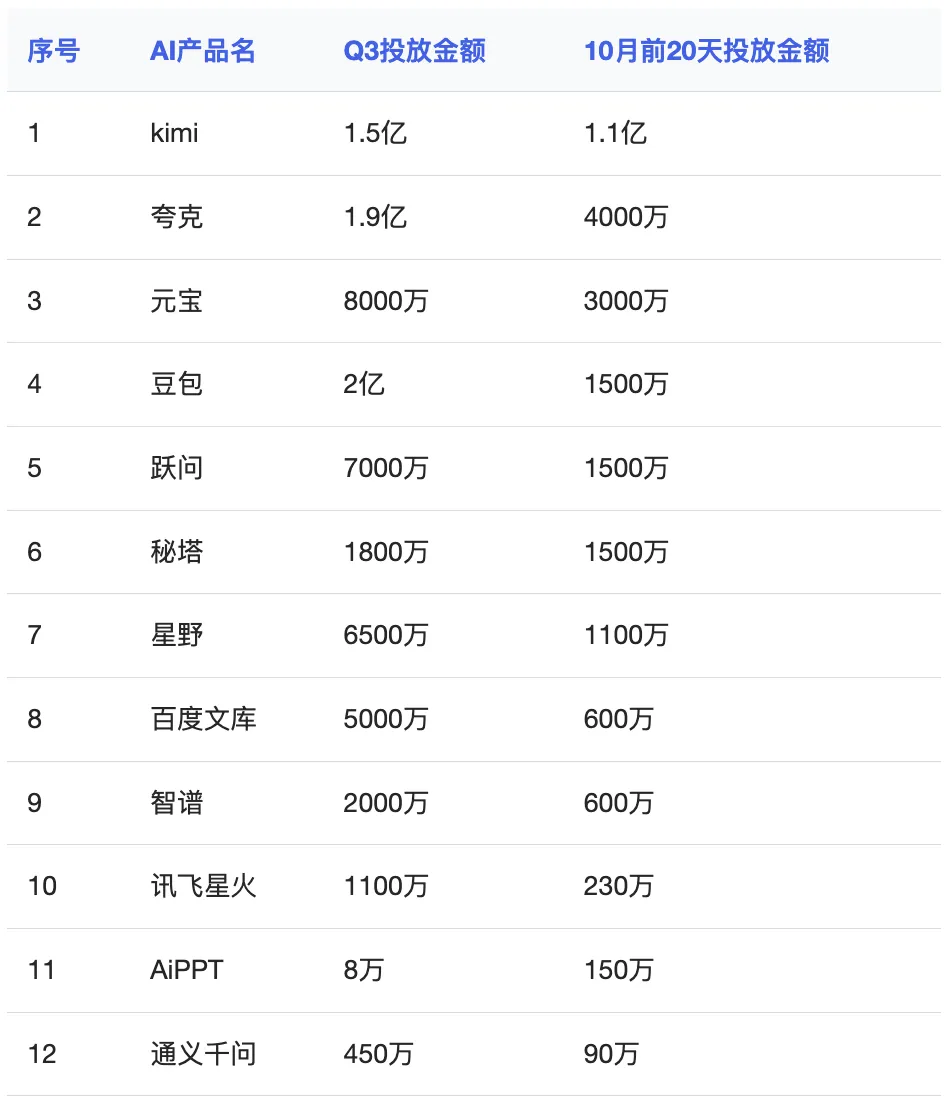
A recent ad-spend snapshot shows how heavily domestic AI apps (Doubao, Kimi, Quark, Yuanbao) rely on paid acquisition—Quark’s spend, in particular, surprised me.
I’ve also been advising a friend who recently joined a new startup on channel strategy. Reviewing their materials brought back memories of my own pre-founder days—managing marketing at a growth-stage company, reviewing daily dashboards across channels and internal metrics. I still miss that rhythm.
A few grounded observations:
- Traditional search engines are losing traffic share and conversion power—with little sign of reversal. Meanwhile, functional replacements (e.g., AI-native tools for research, shopping, or learning) keep multiplying.
- For companies with >¥100M annual revenue, organic (free) traffic typically contributes <10% of total leads—but it remains vital. Its tactics—especially discovery loops and content leverage—offer invaluable lessons for paid-channel operators.
- Paid-channel ROI hinges on operational logic. An account structure without clear segmentation, hypothesis testing, or attribution logic is a red flag. Over years, I’ve rarely seen truly logical, scalable account designs.
- Incremental optimization of conventional channels (e.g., +30–50% CTR) rarely creates step-change outcomes. But AI does: it unlocks new targeting layers, dynamic creative generation, real-time bid logic, and cross-channel orchestration—none of which were feasible before.
- Beyond campaign results, AI lifts human productivity: faster reporting, smarter segmentation, automated A/B analysis. That multiplier effect is quietly transformative.