Trust as an Asset
Over dinner last night, a friend shared an illuminating story.
He was stuck on a critical project phase—directly liaising with the CEO, yet unable to move forward.
Then, weeks later, the CEO reached out unexpectedly: he’d seen my friend’s name in a short video on Douyin (TikTok China), where an influencer was summarizing a research paper—one co-authored by my friend.
After confirming it was him, the CEO said, “Let’s finalize the agreement right away.” And just like that, things accelerated smoothly.
What happened? The CEO wasn’t unwilling—he simply lacked a reason to trust. Once external validation (a credible signal) bridged that gap, judgment became effortless.
That’s what I call trust assets: not just rapport or charisma, but tangible, observable signals—published work, endorsements from respected figures, consistent public output—that lower others’ cognitive load when deciding whether to act.
Trust often forms through conversation—but more reliably, through evidence.
The Value of Common Sense
Common sense is the set of grounded, repeatedly validated judgments we rely on to navigate reality—not theory, but lived calibration.
Its importance is routinely underestimated. In messy, time-constrained, resource-poor situations—where data is incomplete and stakes are real—common sense is our operating system: how we weigh facts, estimate cost, assess risk, spot opportunity, and anticipate consequences.
Here are 10 essential principles:
- Respect reality: Wishes don’t override facts. Act from what is—not what you hope is.
- Opportunity cost is real: Every choice discards alternatives. Name what you’re giving up.
- Think probabilistically: Certainty is rare; probability is the default lens for truth.
- Prioritize low-probability, high-impact risks: A 1% chance of ruin outweighs a 90% chance of modest gain.
- Follow incentives, not statements: Behavior reveals motive—look at what rewards drive action.
- Pause after the first thought: Ask “Then what?” before deciding. Most consequences unfold beyond the immediate.
- Harness compounding: Small, consistent inputs—learning, habits, relationships—scale nonlinearly over time.
- Focus on leverage points: Outcomes are rarely evenly distributed. A few customers drive most revenue; a few habits shape most health; a few decisions define life trajectories.
- Separate controllable from uncontrollable: Energy spent resisting the latter is wasted. Direct effort only where you hold agency.
- True intelligence includes humility: Stay open, leave margin, revise assumptions—and do it often.
A person grounded in common sense respects evidence, calculates trade-offs, weighs probabilities, thinks long-term, and directs energy toward what matters and can be influenced.
Walking Meditation
Today, I walked to the office.
Our campus sits in early-summer sunlight—lush greenery, birdsong, breeze moving through leaves. The pace naturally slows. In such settings, walking becomes meditation—not escape, but presence.
Simple method:
- Walk slightly slower than usual.
- Place attention on your feet and on concrete details around you.
- Notice bodily sensations in sequence: feet on the wooden boardwalk, cool air on skin, rustling leaves, layered birdcalls.
- When the mind drifts, do not judge it. Just return and keep sensing.
Commuting transforms: no longer just transit, but restoration. A small act, made intentional, becomes rest and delight.
Running as Practice
This morning, I ran 15 km at Olympic Forest Park—emerald canopy, crisp air, quiet rhythm.




Running appears simple—just put one foot in front of the other. But doing it well demands coordination, discipline, and self-awareness. That’s why it delivers so much:
- Freedom: Spatial, temporal, and bodily autonomy—no gear, no gatekeepers, just you and motion.
- Long-term thinking: Watching VO₂ max rise, pace drop, recovery speed up—makes “long-term” visceral, not abstract.
- Patience & rhythm: Learning when to push, when to settle, when to pause—applies far beyond the trail.
- Compounding gains: Fitness, mental clarity, sleep quality, stress resilience—all reinforce each other.
- Systems thinking: It’s never just legs. It’s lungs, core, joints, breath, sleep, nutrition, mood—and managing them all teaches holistic self-leadership.
X Growth Insights
Xiangyang recently shared a deep retrospective of his three-year X (formerly Twitter) growth journey—from 100 to 110,000 followers—analyzing his entire post history using Codex.
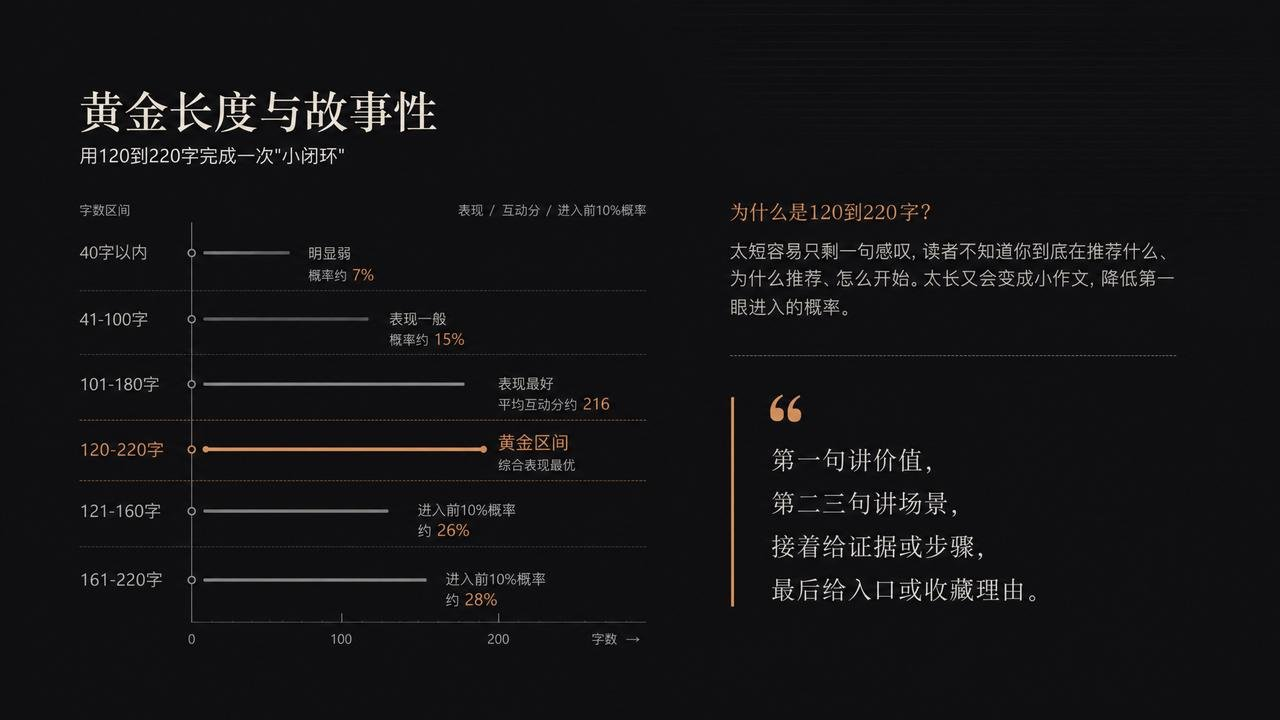
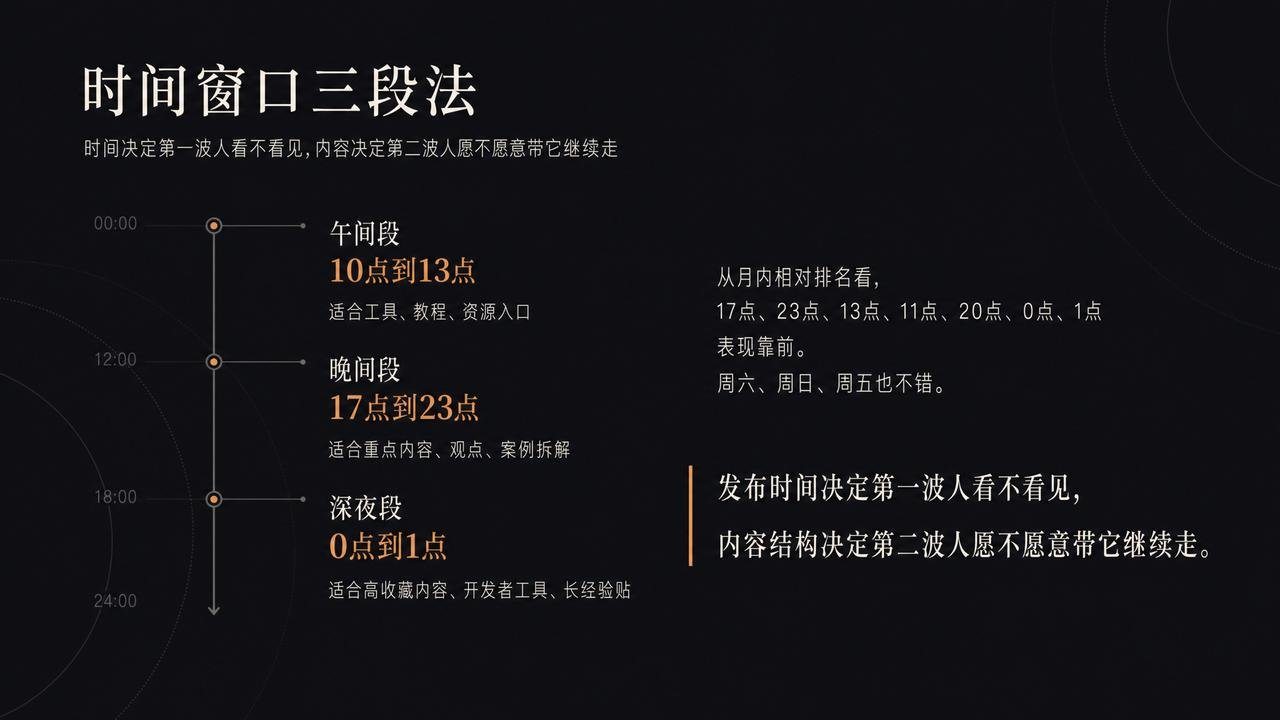
Key takeaways from his presentation:
- First 10,000 followers: Hinged on delivering unexpected value—a single, deeply useful piece of content that got amplified by trusted voices. Consistency + proactive engagement sealed it.
- Engagement signals differ: Likes reflect emotion; saves signal trust; retweets mean “I’m curating this for my audience.”
- Growth = raising odds: Not virality luck—but systematically increasing the probability your content lands in the top 10% of what people see.
- Stable themes answer “What can AI do for me?”: Not “AI is hot”—but “Here’s exactly how it helps me ship faster, write better, or cut costs.”
- People believe what they can see, click, and measure: Concrete examples > vague claims.
- Top-tier official accounts share traits: High-fidelity visuals + structured logic + active dialogue + rapid response loops.
Full slide deck: X Growth Retrospective
Open Source This Week
Three new tools shipped—small, focused, built for clarity and reuse:
1. TokURL — Minimalist Link Shortener
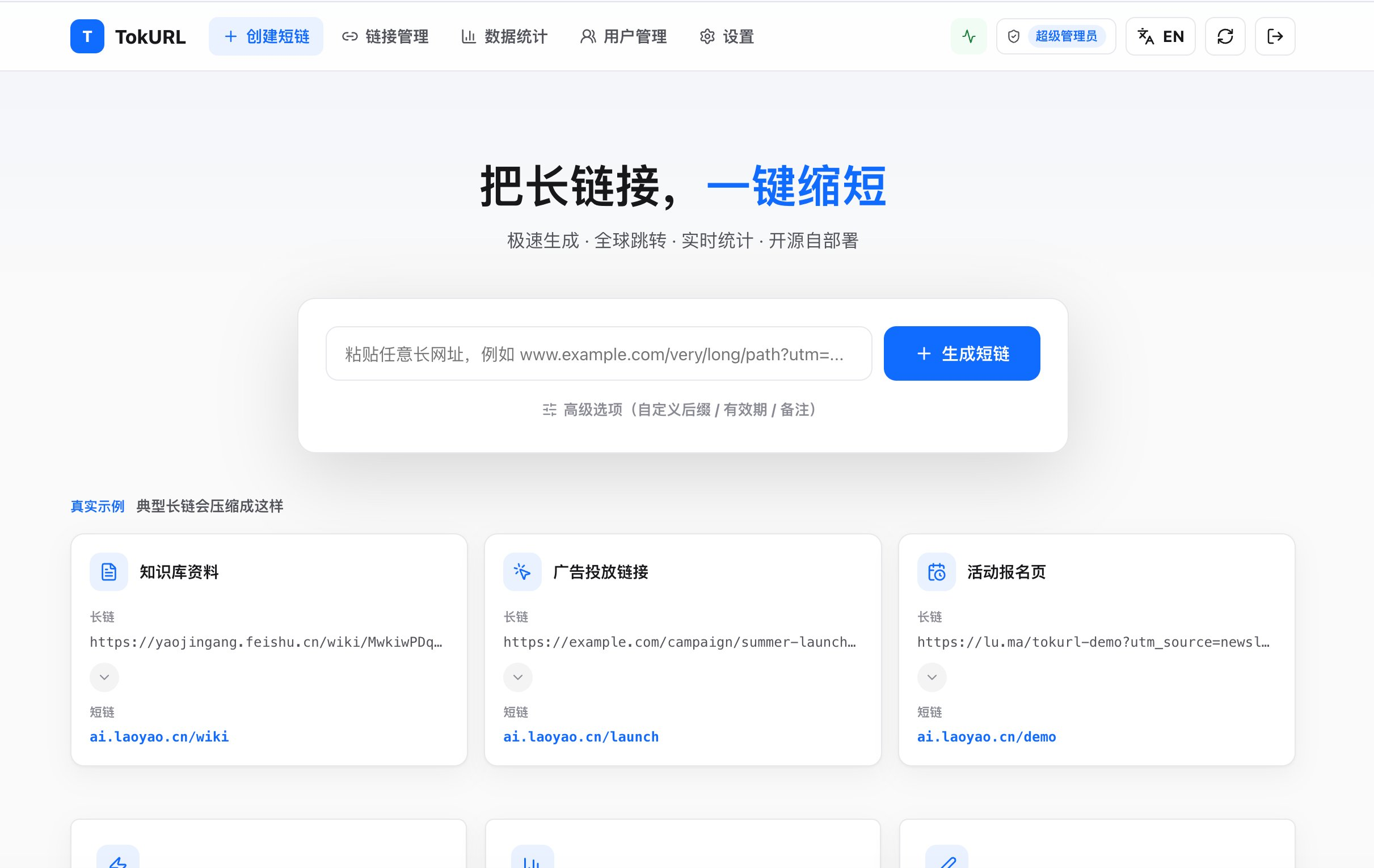
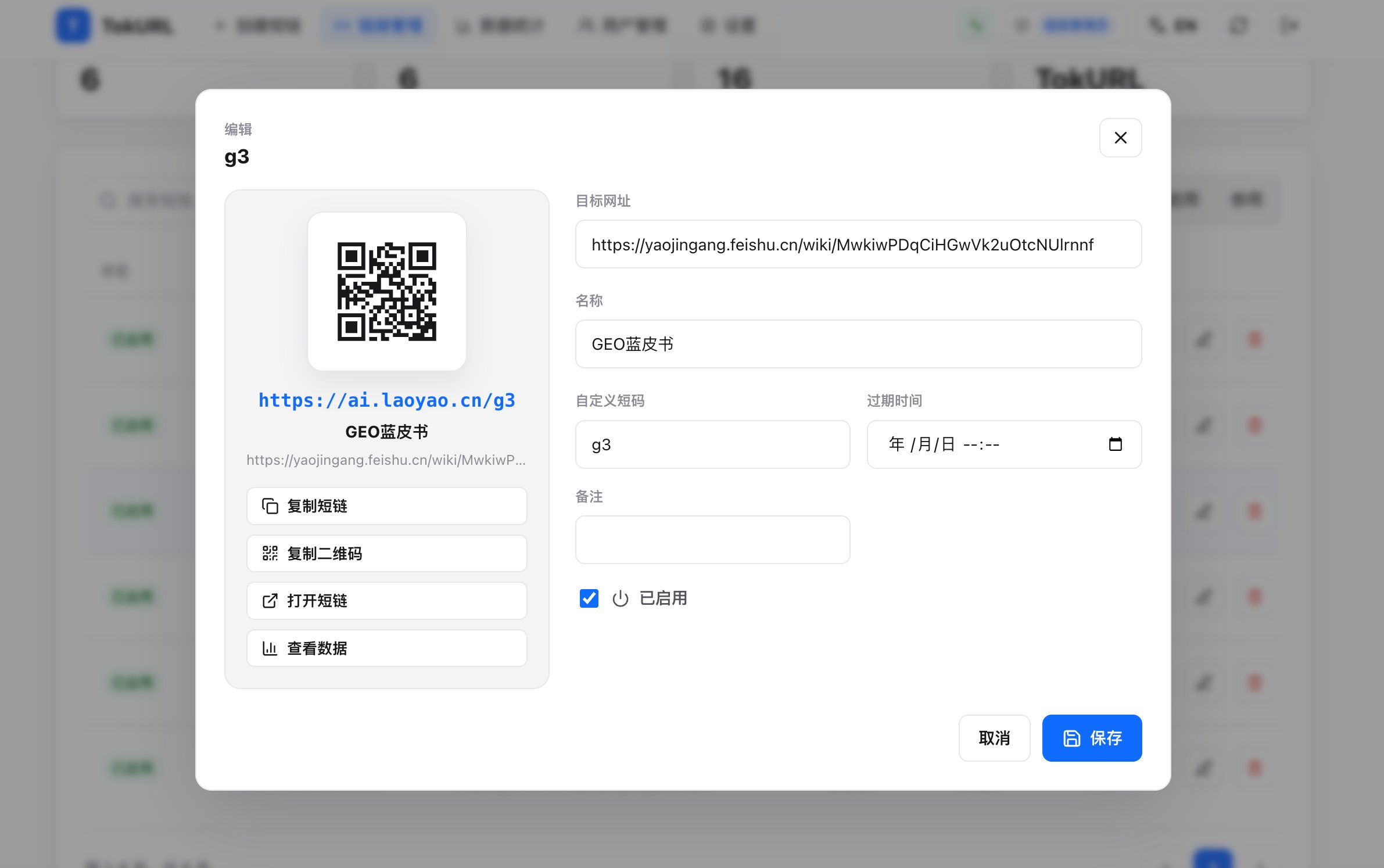
Built because long links—GitHub repos, Feishu docs, internal dashboards—break flow and hurt sharing.
Features:
- Paste any URL → instantly get a short link + scannable QR code
- Docker-deployable, MIT licensed
- Built-in analytics (clicks, referrers) and user management
Demo: TokURL Demo GitHub: TokURL
2. Demand Assessment Skill
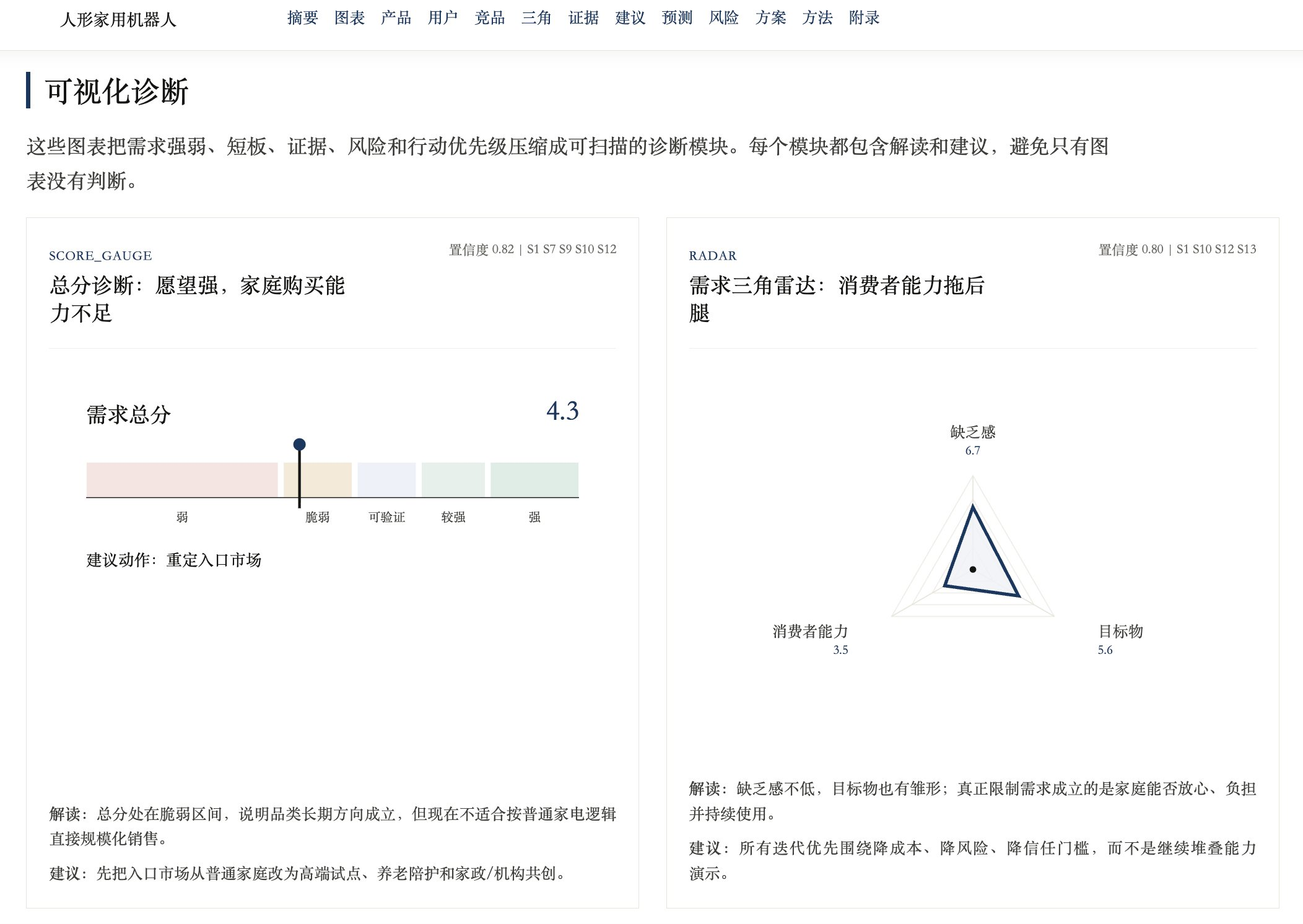
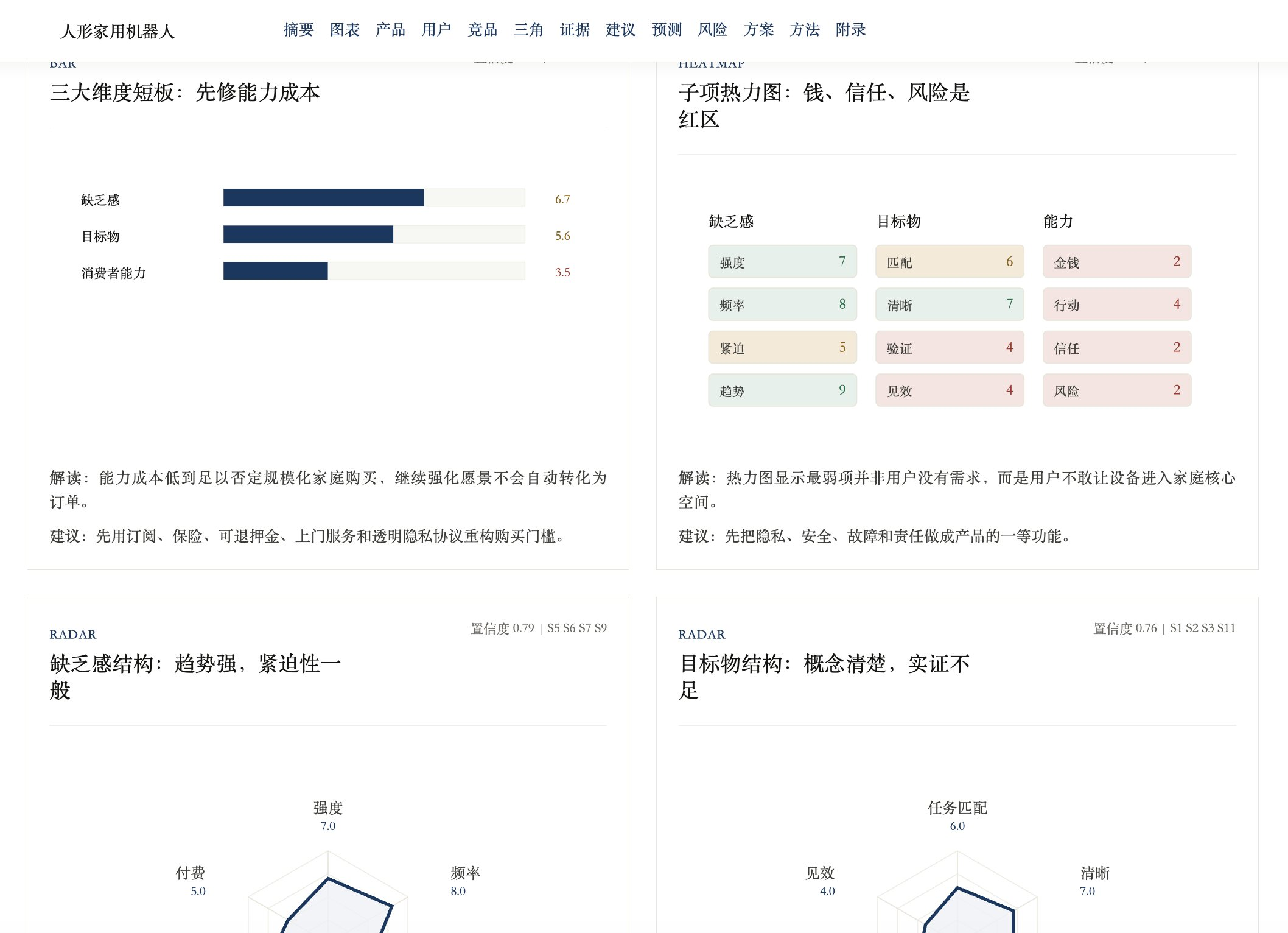
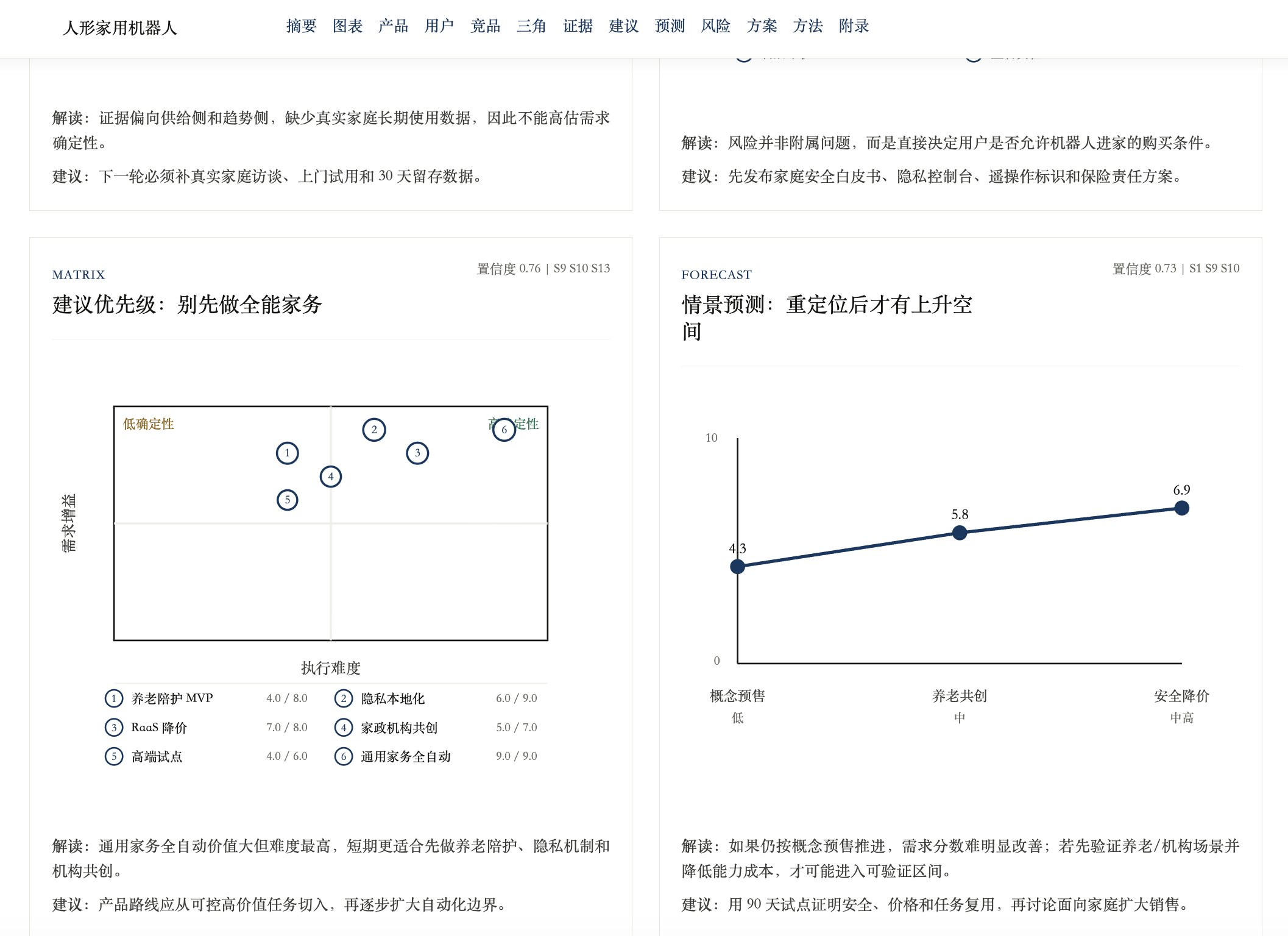
Based on Li Jiaoshou’s “Demand Triangle” model: every viable demand rests on three pillars—lack (pain point), target object (solution), and consumer capability (means to adopt).
How it works:
- Input a product or feature → it diagnoses demand strength across lack, target fit, willingness-to-pay, competitive context, and risk-cost balance
- Outputs HTML, Word, and PDF reports—structured, actionable, model-grounded
- Helps validate whether a need truly exists, where the biggest gap lies, and what to test next
GitHub: Demand Assessment Skill
3. TokDoc — Lightweight Document Publishing Tool
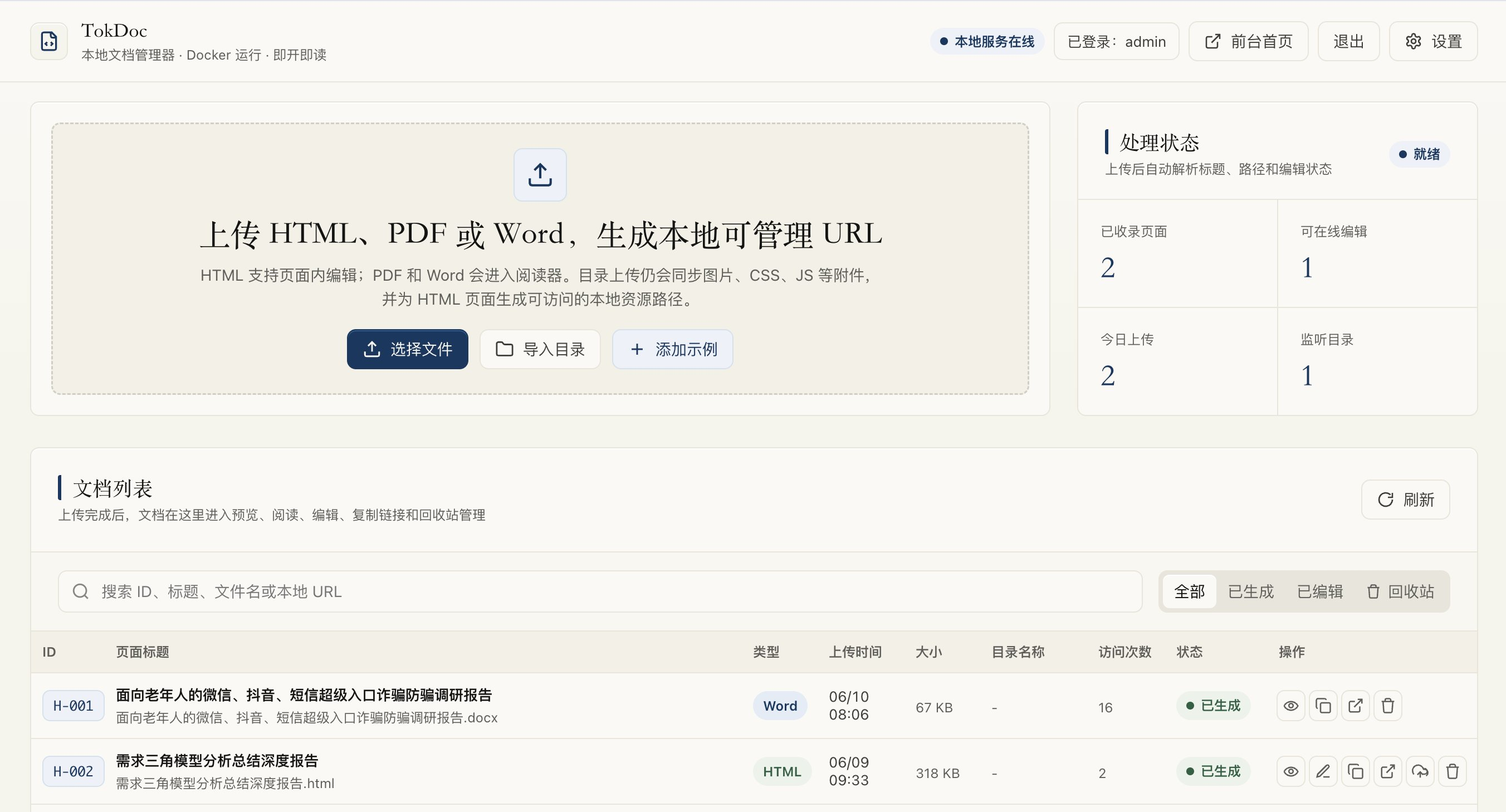
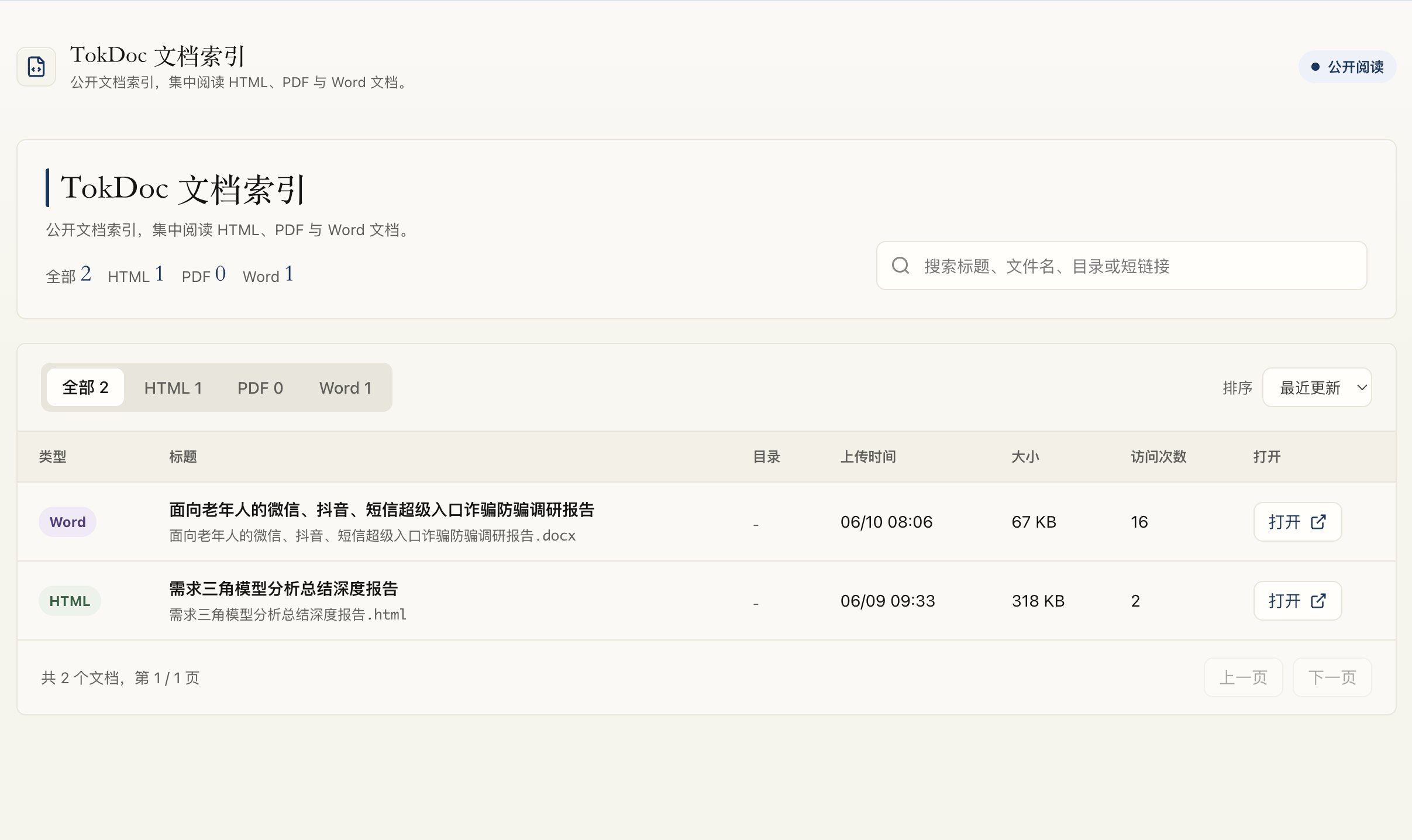
Designed for fast, clean, self-hosted documentation—no CMS bloat, no vendor lock-in.
Core features:
- Upload HTML, PDF, or Word → auto-generate shareable short links
- Edit HTML files directly in-browser—with autosave
- Full admin suite: rename files, view stats, soft-delete to trash, customize admin path
- PDF/Word viewers built-in; Docker-ready; ideal for internal wikis or lightweight public portals
GitHub: TokDoc Live demo: TokDoc Frontend